🏥 India's health infrastructure mission reaches 19,983 approved units, mostly health centres
In brief
- 📋 India's PM-ABHIM mission has 19,983 approved infrastructure units, the health ministry says.
- 🏥 Most are health centres: 11,001 rural and 5,456 urban ones.
- 🧪 There are also 2,151 block health units, 744 labs and 631 critical care blocks.
- 💶 The mission began in 2021 with an outlay of Rs 64,180 crore (641.8 billion).
- ⚙️ States are now urged to make approved sites work.
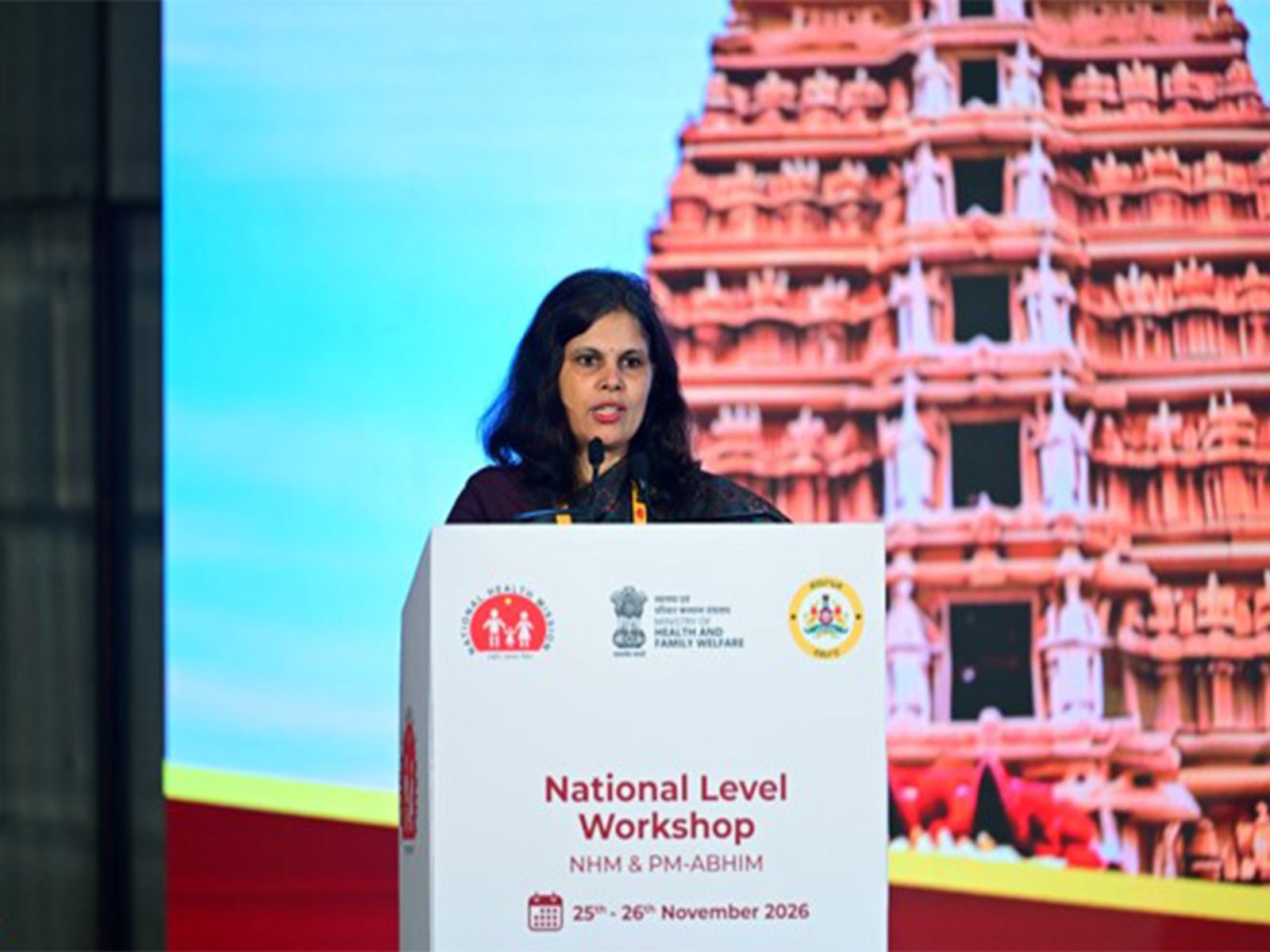
🏥 India's flagship health infrastructure programme, the Pradhan Mantri Ayushman Bharat Health Infrastructure Mission (PM-ABHIM), now counts 19,983 approved units. The health ministry reported the figure on Thursday at a two-day workshop in Bengaluru. It is a running total; the reports give no dates for the individual approvals. 📊 Health centres make up the largest share: 11,001 at rural locations that had no building of their own and 5,456 in cities. Added to these are 2,151 Block Public Health Units, 744 district-level Integrated Public Health Laboratories and 631 Critical Care Blocks. ⚠️ Approved does not yet mean usable. Union Health Secretary Punya Salila Srivastava urged states to turn the approved projects into working facilities with equipment, staff and operating arrangements. The reports of the statement do not say how many are already running.
📅 PM-ABHIM was launched on 25 October 2021 with an outlay of Rs 64,180 crore; one crore is ten million. A written government answer in the upper house of parliament in July 2025 gave the scheme period as the financial years 2021-22 to 2025-26. That window has since ended, and the current reports do not say whether it has been extended.
💰 According to the same answer, administrative approvals for states and union territories had reached Rs 33,081.82 crore by then. The reports of Thursday's statement give no newer sum.
🔍 A comparison of the counts: in July 2025, junior health minister Prataprao Jadhav cited 10,609 rural centres and 621 critical care blocks; now the figures are 11,001 and 631. The numbers for urban centres, block units and labs are unchanged. The five categories add up to exactly 19,983.
🎯 The 2025 answer listed these goals:
- 17,788 rural centres in places without a building
- 11,024 urban centres, with a focus on slum areas
- 3,382 public health units at block level
- 730 district laboratories
- 602 critical care blocks in districts with more than 500,000 people
So the approvals now reported are well below those goals for the health centres and block units, and above them for labs and critical care blocks. The reports offer no explanation.
🦠 Outside that total, the ministry lists support for 48 virus research and diagnostic laboratories. Parts run directly by the central government include branches of the National Centre for Disease Control (NCDC), quarantine facilities at major airports, stronger checks at airports and seaports, and surveillance units in 20 metropolitan cities.
🧬 Srivastava recalled that the Covid pandemic forced a rapid build-up of facilities, research, genome sequencing and vaccine development, and said the mission was designed with that experience in mind. It complements the National Health Mission, which mainly improves care delivery, by building capacity for resilience and pandemic response.
🤝 The health secretary called for clear priorities, regular monitoring and close coordination between the central government and the states to meet the targets on time. States were also encouraged to identify their capital investment needs and send in proposals. Technical sessions covered the mission's physical and financial progress.