🚌 Paris clears the last large migrant camp under metro line 2 at La Chapelle
In brief
- 🚓 About 400 people were moved from the camp on Boulevard de la Chapelle on Wednesday morning.
- 🏛️ The city says they were sheltered and a promise has been kept.
- 🗺️ Aid groups say many are sent to other cities.
- ❓ Keeping the press away also drew criticism.
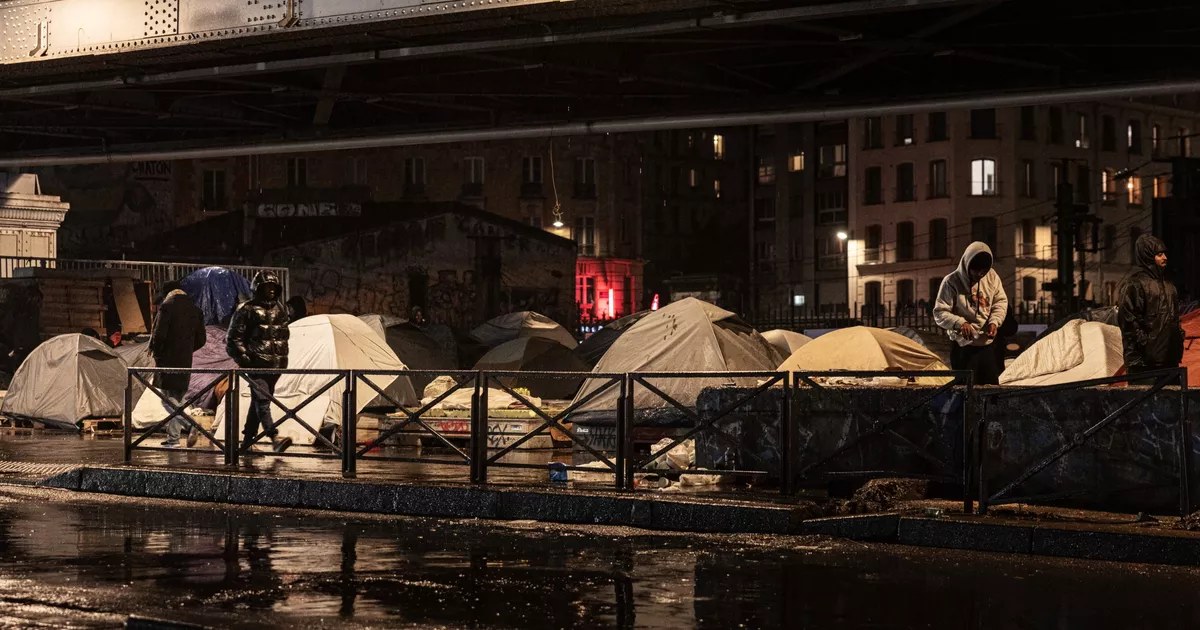
🚓 Police and the city of Paris cleared the last large camp under the elevated section of metro line 2 on November 25. According to the city, about 400 people from Boulevard de la Chapelle were given shelter; RFI says many were asylum seekers. Mayor Emmanuel Grégoire considers a promise made in August fulfilled. 🗺️ Aid groups doubt the solution will last. Some of those affected are being taken to other parts of France, and the collective Le Revers fears they will be back on the street within three weeks. Journalists and associations without an official mandate were kept off the site, which Médecins du Monde criticises as opaque.
🌧️ Around 6.30 a.m., RFI reports, hundreds of men, women and children waited in the rain for the operation, and coaches arrived at about 7 a.m. It rested on an order from the Paris police prefect that, according to Le Figaro, covered the area between Rue Boris Vian, Boulevard de la Chapelle and Square Jessaint. It cited security tensions, very poor hygiene, drug dealing and the danger of makeshift fires.
📊 The city counts 1,200 people along line 2 who have been taken into care since the first operation on October 8. Nearly 700 of them are currently housed in the Paris region, it says. For Wednesday, Médecins du Monde estimates that 417 people were directed elsewhere: 63 within Paris, 235 to temporary accommodation in the region and 119 to other French cities. Destinations include state reception centres that assess people's administrative situation. A spokesperson for Le Revers told the newspaper Le Parisien that people were leaving for Rouen, Angers and Toulouse.
🗣️ RFI describes a confusing scene: a mediator first offered places outside Paris and told those who wanted to stay to wait an hour, and a man who said he was disabled got no answer. People who refused were removed from the cordoned area by officers, among them Paul Alauzy, a coordinator for Médecins du Monde. He says people are poorly guided and end up in unfamiliar cities without full information about their options.
🏛️ The city hall replies that a social survey took each person's situation into account and that people knew their destination and could ask to stay in Paris. RFI could not check this because the press was held at a distance. Deputy mayor for housing Adji Ahoudian said that exclusion was the prefecture's choice; the prefecture referred to orders. In August Grégoire had pledged to free the stretch between Colonel-Fabien and Barbès by the start of winter at the latest and to shelter the people there. He has now welcomed the end of what he called a humanly unworthy situation.