⚖️ ECHR: pushbacks can be lawful when migration is instrumentalised, yet three states held in breach
In brief
- ⚖️ The ECHR lets states turn back migrants at the border under conditions when a neighbour instrumentalises migration.
- 🛡️ Particularly vulnerable people such as children and the sick must be identified and protected.
- 💶 Poland, Latvia and Lithuania were nonetheless condemned and must pay compensation.
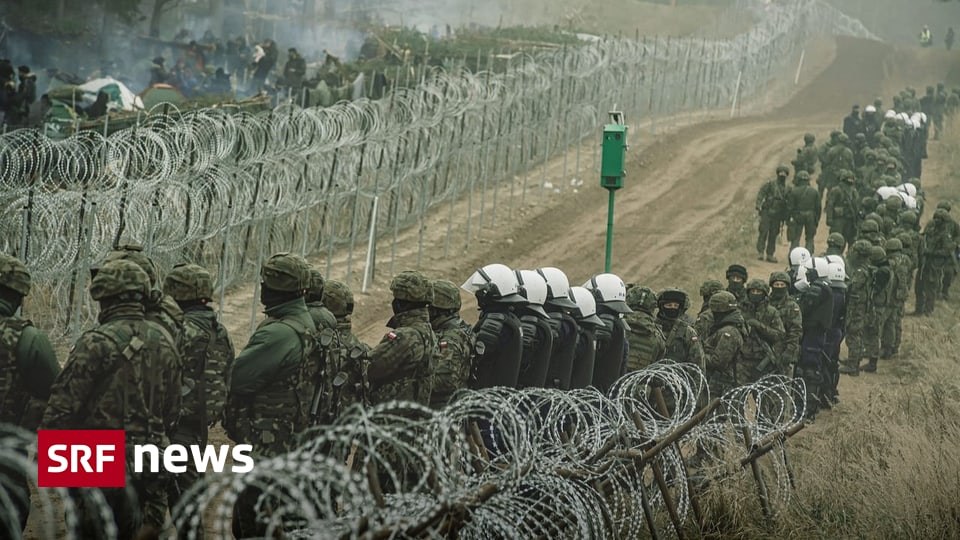
⚖️ The European Court of Human Rights (ECHR) in Strasbourg has found that, in cases of so-called instrumentalised migration, states may turn back migrants without special vulnerability at the border. In three judgments on the EU's external border with Belarus the court spoke of a “new reality”. Returning people to Belarus therefore does not automatically breach the ban on inhuman treatment. 🛡️ Particularly vulnerable people, such as children, the sick and those facing ill-treatment or danger to life, must however be identified and protected. At the same time the court condemned Poland, Latvia and Lithuania for their conduct; they must pay compensation.
Behind the judgments are three complaints by groups of Afghan, Cuban and Iraqi nationals, the Iraqis being of Kurdish origin (applications 42120/21, 42165/21, 17764/22). They concern 2021 and 2022. The applicants say the three EU states forcibly prevented them from crossing the border without examining their asylum claims. They invoked, among other things, the ban on inhuman treatment and the non-refoulement rule, which forbids sending people back to places where they risk human rights violations. Many were stuck in forests in the border zone in poor sanitary and humanitarian conditions or were detained. According to the court, more than 30 such cases are pending.
🏛️ **What the states argued.** Poland, Latvia and Lithuania pleaded an emergency: Belarus had brought refugees from crisis regions to the EU border in an organised way to put pressure on it. The countries temporarily suspended the right to asylum. They also said the applicants had legal routes into the EU that they did not use.
💬 **What the court said.** The court's president, Mattias Guyomar, called treating people as instruments an “affront” to the values of the Convention. Given the “new reality”, the court granted the states limited duties of scrutiny and expressly acknowledged their difficulties. The SRF report does not say on which points the states were found in breach.
📚 **Context.** The migration law expert Grazyna Baranowska told the German news agency dpa before the rulings that international law contains “no general ban on every form of turning back at the border”. The court had also accepted exceptions to the ban on collective expulsions, for example in a controversial 2020 ruling on Spain, where migrants had put themselves in an unlawful situation by climbing a fence instead of using crossing points. The new decisions have “considerable practical relevance”, Baranowska said, because the question of refugee protection in emergencies arises at several EU external borders.