⚖️ Myanmar rejects the International Court of Justice genocide ruling as "not fair"
In brief
- ⚖️ Myanmar's government calls the ICJ ruling against it "not fair" and points to the 9-6 vote.
- 🌐 The presidential spokeswoman says Gambia, which brought the case, has "nothing to do" with Myanmar.
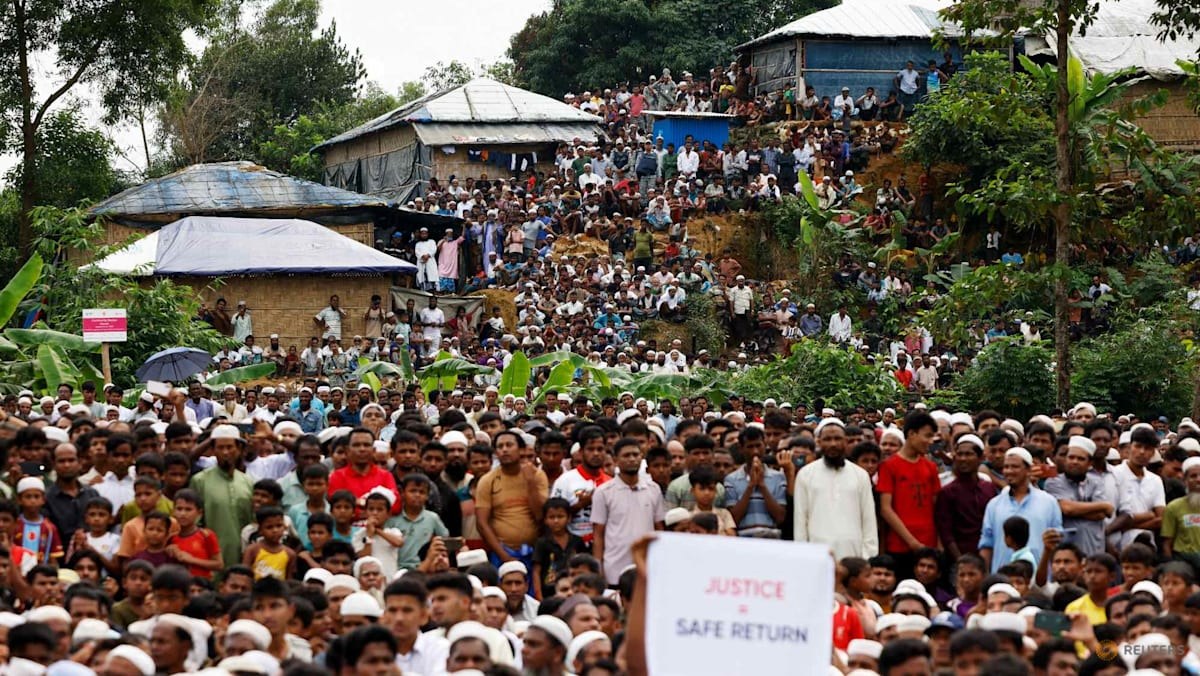
- 🏕️ The UN General Assembly president urges the Rohingya's return from Cox's Bazar: a judgment on paper is not justice.
- 🇨🇳 China voices concern; the US warns against "politicisation" of the court.
⚖️ A day after the International Court of Justice found Myanmar responsible for genocide against the Rohingya, the government in Naypyidaw has rejected the ruling. A spokeswoman for President Min Aung Hlaing said on 20 November that the decision, taken by nine votes to six, was not unanimous and "not fair". Myanmar has denied the charge for years and cites a fight against insurgents. The court dismissed that account and ordered that refugees be allowed home safely and compensated. The decision is binding, but the court has no means to enforce it. 🌍
**What the court found.** It held that security forces killed thousands of civilians in Rakhine in 2017, committed "widespread sexual violence" against women and "extreme violence" against children, and systematically destroyed Rohingya villages and replaced the inhabitants with non-Rohingya. The "only reasonable inference" was an intent to destroy the group. There was no evidence, it said, that the army distinguished between civilians and alleged fighters in its "clearance operations". According to the Associated Press, the court found that about 10,000 Rohingya were killed. It is the first time in the court's 80-year history that a state was found to have committed genocide.
**Myanmar's response.** The government's line has been that the operation targeted an uprising after attacks left a dozen security personnel dead. Min Aung Hlaing, commander in chief in 2017, seized power from Aung San Suu Kyi's elected government in 2021 and was elected president this year in a vote critics called neither free nor fair. The spokeswoman added that Gambia, which brought the case in 2019 under the 1948 Genocide Convention, has "nothing to do with" Myanmar.
**Reactions abroad.** UN General Assembly president Khalilur Rahman called in the Cox's Bazar refugee camp for a safe, voluntary and dignified return of the Rohingya: "a judgment on paper is not justice in life", it now has to be given effect. About 1.2 million Rohingya refugees live in Bangladesh. China, one of Myanmar's few lasting partners, raised concerns of judicial overreach. The United States, which has sanctions against Min Aung Hlaing, had recently pushed back on a case against its ally Israel and stressed avoiding "politicisation" of the court. The rebel group ARSA, whose 2017 attacks triggered the crackdown, called the ruling an "important step towards justice".
**A return is risky.** A Rohingya man in Rakhine said repatriation has to happen, but that many civilians are dying there from military airstrikes; the civil war since the 2021 coup has killed more than 100,000 people, according to ACLED.