⚖️ Myanmar's president says he will not obey parts of the genocide ruling
In brief
- 🗣️ Min Aung Hlaing says Myanmar will not comply with requirements it considers “inappropriate”.
- 📅 State media date the remark to Wednesday; it is his first public comment on the ruling.
- ❓ He did not say which parts of the judgment he means.
- 🏛️ On 19 November the International Court of Justice found Myanmar had committed genocide against the Rohingya.
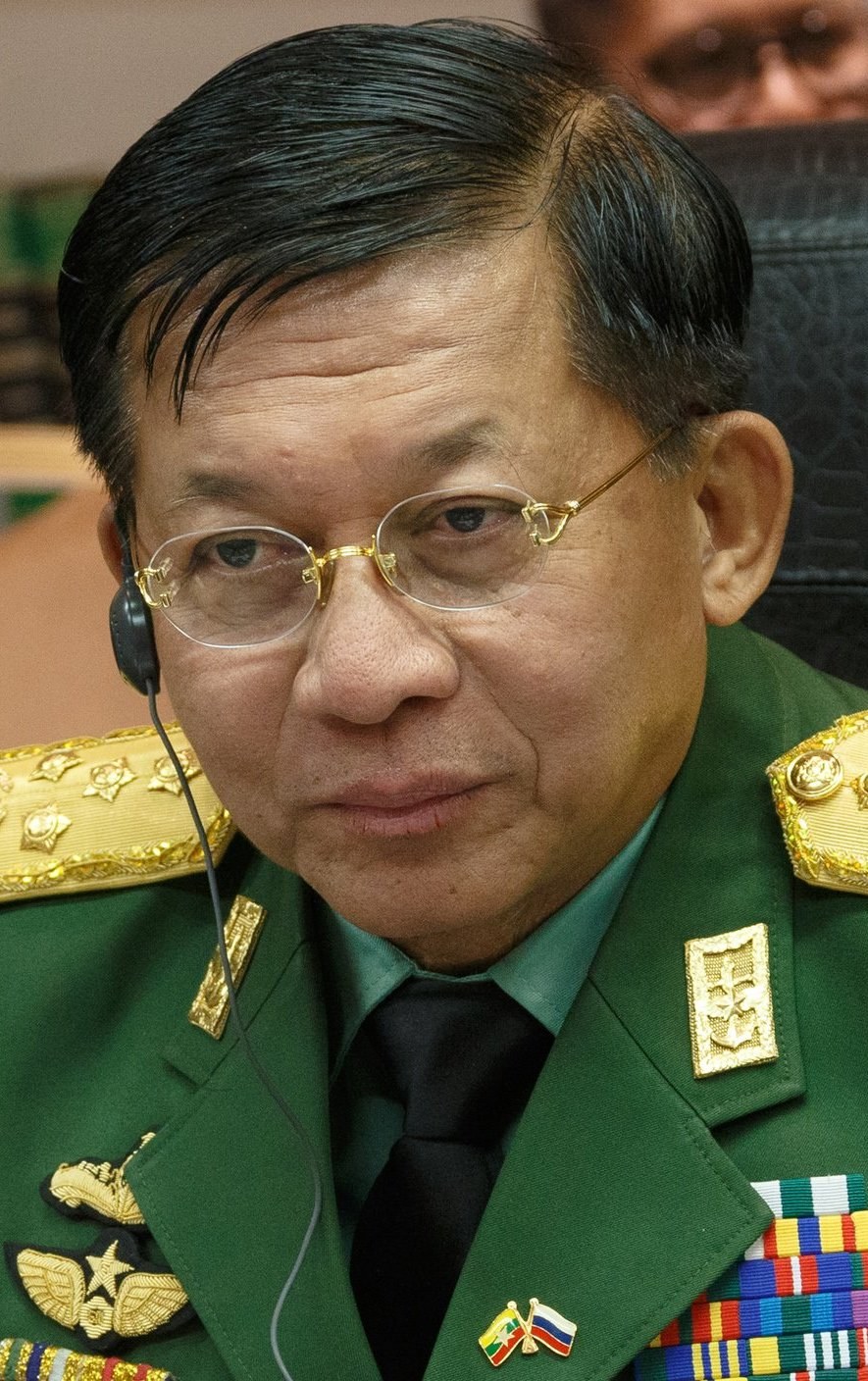
⚖️ Myanmar's President Min Aung Hlaing does not intend to carry out the genocide ruling of the International Court of Justice (ICJ) in full. State media report that he told a meeting on Wednesday that Myanmar would take actions appropriate for a responsible country but would not comply with requirements it considered inappropriate. The statement did not identify them. 🏛️ The United Nations' top court ruled on 19 November that Myanmar committed genocide against the Muslim Rohingya minority during the 2017 military crackdown. The judgment is binding and cannot be appealed, but the court has no power to enforce it. Min Aung Hlaing commanded the army at the time.
🗞️ The comments became public on Thursday. France 24 cites the state newspaper Global New Light of Myanmar, according to which the president called the case brought by The Gambia a “one-sided accusation”. He said the word “genocide” had seriously damaged the country's reputation. He also said, in substance, that as the country's leader he considered himself chiefly responsible for all matters arising in it, and that he would not accept any measures that undermine the state.
The head of state has now spoken for himself. Shortly after the judgment, the government had already called it a great disappointment and not fair. What is new is the open announcement that some requirements will not be followed.
📋 **What the court demands.** According to the BBC, Myanmar must stop ongoing violations and immediately investigate people suspected of breaking the Genocide Convention. It must also pay proportionate reparations, with the amount to be set later. France 24 reports that the court further ordered the safe return of refugees to be ensured.
🔎 **The findings.** The vote was nine judges to six. Delivering the ruling, court President Yuji Iwasawa said security forces had killed thousands of civilians, carried out widespread sexual violence and extreme violence against children, and attacked people as they fled. The BBC puts the number of Rohingya violently killed at about 10,000, says more than 700,000 are thought to have fled to Bangladesh, and that roughly 815,000 were targeted in some way. For the majority, the only reasonable inference from the evidence was an intent to destroy a substantial part of the group. It is the first time the court has held a state responsible for committing genocide. Myanmar denies the charge and describes the operation as a response to attacks by armed groups.
🌍 **Outside pressure.** Enforcement depends on the UN Security Council and political pressure, the BBC notes. More than a dozen countries have acknowledged the ruling, and the United Kingdom has imposed sanctions on several senior military leaders. British Foreign Secretary Ed Miliband said on the day of the judgment that Myanmar must comply fully; according to Radio Free Asia, London announced it would expel Myanmar's defence attaché and take the matter to the Security Council.
Richard Horsey of the International Crisis Group had cautioned on 19 November that the court had no means of enforcing its decision. What mattered, he said, was whether governments engaging Naypyidaw would attach any cost to ignoring it.
🕰️ **Background.** Min Aung Hlaing overthrew the elected government of Aung San Suu Kyi in a 2021 coup and became president this year after heavily restricted elections. Since then he has been trying to bring his country back into the international community. Nearly 1.2 million Rohingya remain in refugee camps in Bangladesh, according to Radio Free Asia, where cuts to aid funding have reduced food rations.
Sources
- Anadolu (Arabic): Myanmar refuses to comply with parts of the ICJ ruling (Anadolu Agency)
- BBC: Myanmar refuses to comply with parts of ICJ genocide ruling (BBC (via Yahoo News))
- France 24 (Arabic): Myanmar will not comply with parts of the ruling
- RFA: World Court finds Myanmar responsible for Rohingya genocide (Radio Free Asia)