🎭 Kremlin official Novikov to merge tsarist and Stalin-era versions of Glinka opera at Bolshoi
In brief
- 🎭 Sergei Novikov will stage Glinka's A Life for the Tsar at the Bolshoi Theatre.
- 📅 The theatre has announced premieres on December 9 and 10, with Valery Gergiev as music director.
- 📜 The production is to join the tsarist-era libretto with the version rewritten under Stalin.
- 🏛️ Outlet Agentstvo says Novikov is considered a key organiser of cultural censorship.
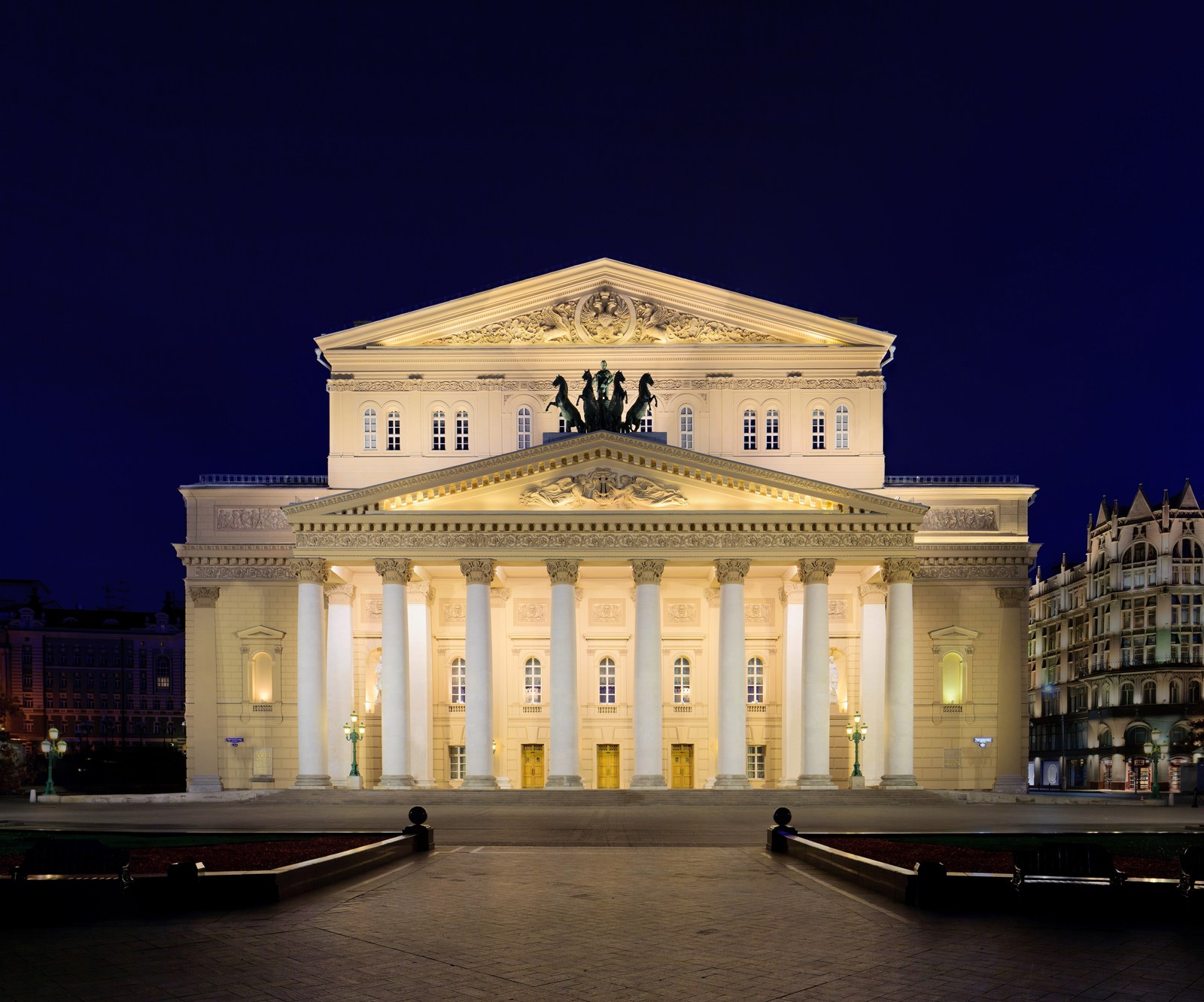
Moscow's Bolshoi Theatre will present Mikhail Glinka's opera A Life for the Tsar in a staging by Sergei Novikov. Novikov heads the Russian presidential directorate for public projects and, according to the outlet Agentstvo, is considered one of the main organisers of censorship in Russian culture. 🏛️ The new version is to combine two librettos: the one written under Tsar Nicholas I and the one reworked under Stalin. The theatre has set premieres for December 9 and 10, with conductor Valery Gergiev as music director. The production is meant to be a highlight of the anniversary season marking the house's 250 years. 📅
🔎 The theatre's social media posts give no biographical details about the director. Agentstvo nevertheless sees no doubt that this is the presidential administration official, noting that Gergiev has worked with him on other operas, including Semyon Kotko, a production in which parallels were drawn with the war in Ukraine.
📜 The work's history shows why joining the texts is politically charged. It premiered on December 9, 1836, three years after education minister Sergei Uvarov formulated the state ideology of "Orthodoxy, autocracy, nationality". The Mariinsky Theatre describes the opera as an embodiment of that doctrine: the peasant Ivan Susanin sacrifices himself to save the Russian monarch and the Orthodox faith from Catholics. Yegor Rosen wrote the original libretto. Nicholas I attended the premiere, gave Glinka a diamond ring and ordered that cadets and pupils of girls' institutes attend the opera. According to researcher Oksana Babenko, it opened the seasons of the imperial theatres for around 80 years.
⚒️ After the 1917 revolution the work was dropped from the repertoire. It returned to the Bolshoi only in 1939, renamed Ivan Susanin. Poet Sergei Gorodetsky's new text removed the tsar and cut religious motifs to a minimum: the Poles now hunted Kuzma Minin instead of Mikhail Romanov, and Susanin died for the motherland. The closing chorus praising the Russian tsar became one praising Rus, as the Russian Defence Ministry's Military Historical Journal records. Stalin intervened personally: he wanted the finale to show the triumphant people rather than the grieving family, and Minin and Pozharsky appeared on stage on horseback. That premiere came seven months before the Soviet invasion of Poland.
❓ The theatre has not yet said which passages of Rosen's and Gorodetsky's texts Novikov will keep. The two versions have been combined before: director Yuri Alexandrov did so in a 2024 staging in Kazan, also conducted by Gergiev. One of his central ideas was that a strong country is impossible without strong power, and he compared Susanin's deed with the actions of Russian soldiers in Ukraine.
🗣️ Novikov himself said in 2019 that attending Ivan Susanin in 1989 had drawn him to opera. The genre, he said then, fits ideally into the paradigm of great statehood. In that same year he rejected any link between the opera's plot and his work in the Kremlin.