🇵🇱 Polish demographers urge an end to talk of a 'demographic catastrophe'
In brief
- 📢 The Committee on Demographic Sciences of the Polish Academy of Sciences calls for responsible language about the country's population trends.
- 🚫 Terms such as 'demographic catastrophe', 'tsunami' or 'Poland dying out' are not justified scientifically, it says.
- 👵 Ageing is no threat: the committee calls longer lives one of civilisation's greatest successes.
- 🧭 Instead of alarm it wants long-term, joined-up policy on family, work, health and migration.
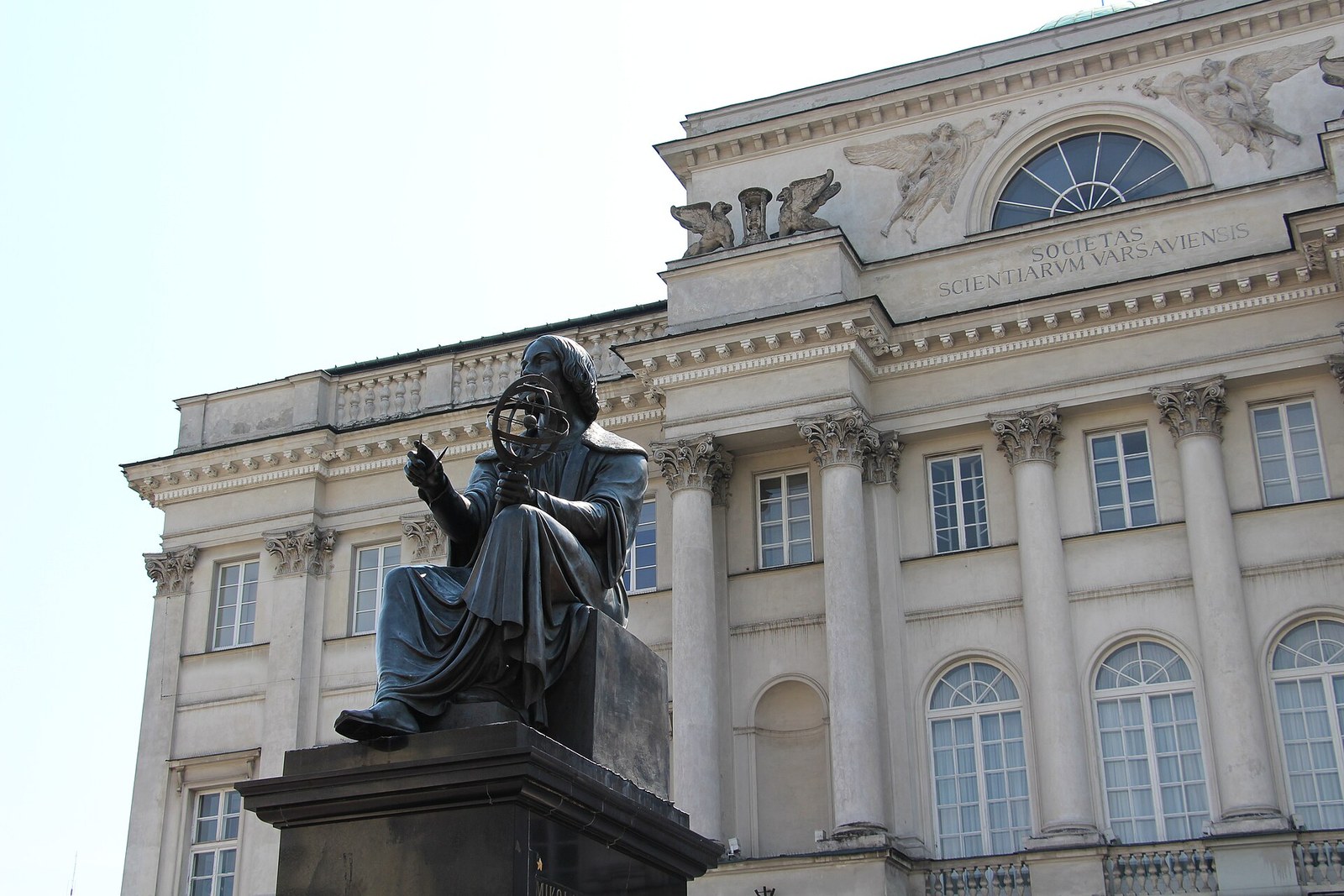
📢 The Committee on Demographic Sciences of the Polish Academy of Sciences (PAN) has called on politicians, the media and the public to talk about the country's population trends in language that matches the state of research. In a resolution sent to the Polish news agency PAP, it recommends speaking of 'demographic change' rather than a 'demographic crisis' or 'Poland dying out'. 🚫 Terms such as 'crisis', 'catastrophe' or 'demographic tsunami' are not justified from a scientific point of view and distort the picture, the resolution says. The change is not a temporary disruption but a lasting process to which society, the economy and public institutions must adapt. 👵 It is equally unfounded, the committee writes, to present ageing as a threat and older people only as a burden. The researchers stress that they are not playing down the challenges: what is needed is long-term, integrated policy that links family, education, economic, labour-market, health and regional policy with a responsible migration policy.
🧭 **What the committee means by change.** The scientists describe the current stage of Poland's long-term demographic transformation by three features: the number of inhabitants and of people of working age is falling, mobility and internal and international migration shape the dynamics and structure of the population more and more, and the spatial distribution of people is shifting. They want the word 'change' to stand for exactly this stage.
🗣️ **The case against alarm.** Alarmist language, the resolution says, does not reflect the character of today's changes. Because it steers the debate towards a sense of threat, it makes them harder to understand and draws attention away from the question of which measures would actually be appropriate. The sharp rise in life expectancy should rather be seen as one of the greatest achievements of the modern world.
⚖️ **Where a crisis can still exist.** The demographers do not drop the word altogether: a crisis can affect particular systems and institutions, they write, but not demographic change itself, which is a social process of a lasting and predictable nature. The difference is more than wording: talk of catastrophe looks for quick remedies, talk of change plans pensions, care, the labour market and immigration over decades.
🏛️ **Who is speaking.** The [Committee on Demographic Sciences](https://knd.pan.pl/) was founded in 1962 and brings together researchers from the social sciences, humanities, medicine and health sciences; its tasks include expert reports and scientific opinions. The resolution itself could not be found online at the time of writing; it is quoted here as reported by the PAP agency.
💬 **The reaction.** Below the report on the finance portal Bankier.pl, some readers responded with mockery and pointed to the country's very low birth rate. That is exactly the debate the appeal wants to move: away from whether Poland is 'dying out', towards how the country and its institutions work with fewer and older people.