🏭 Flames over Chevron refinery after Los Angeles quake: city says it was safety flaring
In brief
- 🌍 A magnitude 5.0 earthquake off Manhattan Beach shook the Los Angeles area on Saturday morning.
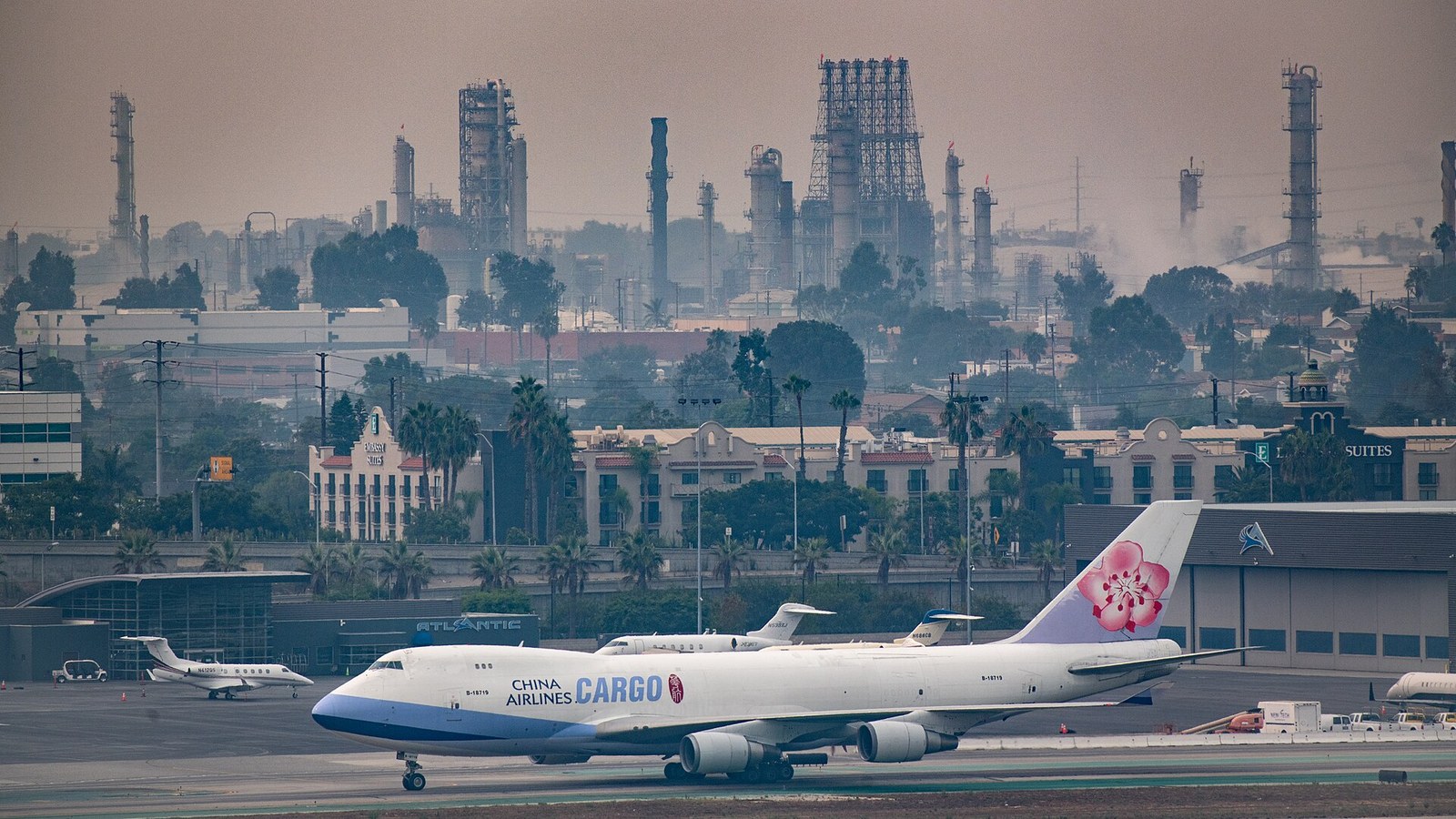
- 🏭 Seconds later flames and black smoke rose over Chevron's El Segundo refinery, visible from LAX airport.
- 🛡️ The City of El Segundo says it was safety flaring: excess gas was burned off; no injuries or major damage were reported.
- ⛽ The plant supplies about a fifth of Southern California's motor fuel and 40 % of its jet fuel.
🌍 Shortly after the magnitude 5.0 earthquake that shook the Los Angeles area at 9:30 a.m. local time on Saturday, centred off Manhattan Beach, tall flames rose over Chevron's refinery in El Segundo, along with a dark column of smoke. Eyewitnesses at LAX and in Manhattan Beach saw the fire, and videos spread quickly on social media. 🛡️ The City of El Segundo said Chevron was conducting "safety flaring". No injuries or major structural damage were reported. According to Chevron's own fact sheet for the refinery, equipment shuts down automatically during process interruptions such as earthquakes, and the excess gas is then burned off in the flares. What exactly triggered the flaring and whether the plant was damaged was still open in the first reports. ⛽ The alarm is understandable: according to Reuters, the refinery supplies about a fifth of Southern California's motor vehicle fuel and 40 % of its jet fuel, and a real fire broke out there in October 2025.
📍 Where the flames were. The refinery sits directly south of Los Angeles International Airport (LAX), a few miles north of the epicentre. Videos posted on X showed the flame and smoke coming from a flare stack, the installation built to burn off gas, not from a tank or a process unit. The singer Lizzo wrote that her plane landed just as the quake hit and that she was looking at "a massive fire" from the tarmac. Pictures like these explain why passengers and residents first assumed an accident.
⚙️ Why a refinery flares gas during a quake. Modern refineries shut parts of the plant down automatically when shaking, a power cut or a pressure spike occurs. The pipes and reactors still hold gas that cannot be processed. Rather than release it into the air or keep it in the system, the plant burns it in the flare. That looks dramatic, especially when combustion is incomplete and produces black smoke, but it is a safety measure. Chevron describes exactly this sequence in its fact sheet for the El Segundo site.
🌊 The quake itself. According to US Geological Survey data, the epicentre lay about four miles west-southwest of Manhattan Beach in Santa Monica Bay, at a depth of about 7.5 miles. More than 13,000 people reported feeling it through the USGS "Did You Feel It?" system, including in downtown Los Angeles, Culver City and Inglewood. In the following 45 minutes the USGS counted at least 19 aftershocks, the largest a magnitude 3.7 at 10:01 a.m. about three miles southwest of Manhattan Beach. Seismologist Lucy Jones told the *Los Angeles Times* it was the first magnitude 5 or larger quake in the Los Angeles-Orange County metro area since a magnitude 5.1 near Brea in 2014.
🚒 How the authorities responded. The Los Angeles Fire Department switched to earthquake mode and, according to the Associated Press, sent crews from 106 neighbourhood stations to survey the city by land, air and sea for damage to critical infrastructure. Mayor Karen Bass wrote that there were no reports of major damage so far and urged residents to "Drop, Cover, and Hold on" during aftershocks. The City of Manhattan Beach said there was no tsunami threat.
⛽ Why the refinery matters. El Segundo is one of the largest refineries on the West Coast. When it stops, drivers notice at the pump and airlines at the airport: according to Reuters, about 20 % of Southern California's motor fuel and 40 % of its jet fuel come from there. After the October 2025 fire, parts of the plant were out of service for a time. Whether Saturday's shutdown will affect production for longer, neither Chevron nor the city had said at the time of the first reports.
❓ What is still open. It was not yet clear which units were shut down, when normal operation will resume, or whether the post-quake inspections will find any damage. The first statements also did not say whether the shutdown was triggered by the shaking itself or by a disruption of the power supply.
Sources
- Flames erupt near LAX after earthquake as passengers panic, but there's a safe explanation (California Post via Yahoo News)
- Earthquake Fire Videos: Massive Flames, Smoke Seen At Chevron Refinery After LA Quake (Times Now)
- Magnitude 5.0 earthquake rattles Los Angeles area as smoke rises from El Segundo refinery (Yahoo News)