🕯️ Kate Turska: Stalin took Ukraine's grain, Putin is taking its heat
In brief
- 🕯️ On Holodomor remembrance day, Kate Turska in the Kyiv Post draws a line from Stalin's 1932–33 famine to Russia's attacks on Ukraine's energy supply.
- ⚖️ She relies on a UN commission that in October classed attacks on the energy system as war crimes.
- 🌍 Her thesis: then as now, Moscow uses deprivation as a weapon against Ukrainian independence.
- ❓ She asks why the world does not act more decisively despite clear evidence.
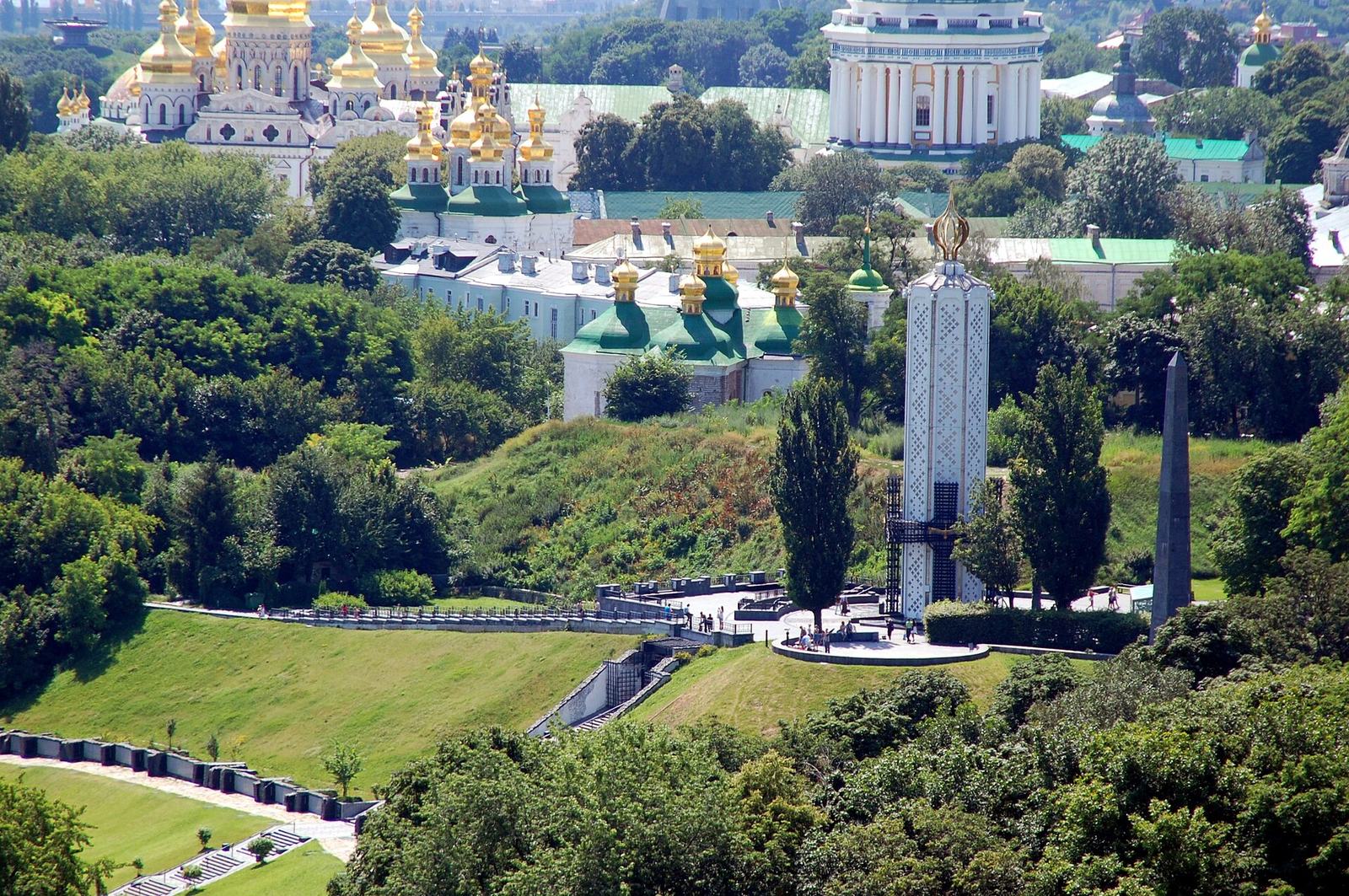
🕯️ On 28 November Ukraine remembers the victims of the Holodomor, the 1932–33 famine under Joseph Stalin that killed millions. For the occasion Kate Turska, chair of the Ukrainian Association of New Zealand (North), makes a clear argument in an opinion piece in the [Kyiv Post](https://www.kyivpost.com/opinion/91417): what Stalin did with grain, Russia is doing today with heat, electricity and water. As evidence she cites the UN's Independent International Commission of Inquiry on Ukraine. In a report submitted to the UN General Assembly on 26 October, it concluded that Russia committed war crimes by deliberately attacking civilian energy facilities; Turska and several reports also speak of crimes against humanity. In the winter of 2025–26, the report says, temperatures fell to minus 21°C and millions of people went without heating, electricity, water and gas for long periods. ⚖️ Turska sees the same pattern as in the Holodomor: stripping a population of the means to survive in order to break its resistance. Remembrance must therefore be more than mourning, she writes; it must name the imperial claims behind both. It is her reading, not a neutral analysis.
🌾 The Holodomor as she reads it. Turska rejects the view that the famine was a natural disaster or merely the result of failed Soviet economics. Stalin's regime, she writes, imposed impossible grain quotas, confiscated food from households, blacklisted entire villages and stopped starving people from leaving to find food. This went together with the persecution of intellectuals, cultural figures and political leaders. The aim, in her account, went beyond collectivisation: to dismantle the foundations of Ukrainian national life. She calls the Holodomor a genocide, as Ukraine and many other states do.
🏚️ Oleshky as an example. For the present she points to the Russian-occupied town of Oleshky in the Kherson region. After months of severe shortages of food and medicine, a six-day local ceasefire allowed aid deliveries and evacuations before expiring on 1 November. By 10 November, she writes, Ukraine's human rights commissioner reported that more residents had asked to leave. Turska grants that the operation saved lives, but warns against celebrating brief permission to deliver basic necessities as a humanitarian achievement while the occupation and the deprivation continue.
🏛️ The long line. Her core is a historical argument: the Russian Empire, the Soviet Union and today's Russian Federation differed in ideology and institutions, yet each claimed the right to set the limits of Ukrainian self-rule. She sees the deportations, executions and cultural repression of the Soviet era continued in the forced transfer of Ukrainian children, torture, persecution in occupied areas, the destruction of cultural heritage and attacks on civilian infrastructure.
📡 Hidden then, documented now. The Soviet Union denied the Holodomor for decades; the Welsh journalist Gareth Jones reported on it while other journalists played the accounts down. Today, she argues, nobody can claim ignorance: satellite images, witness testimony and international monitors document the attacks in real time. From this she draws her central question: what is stopping the international community from acting with the determination that knowledge demands? She does not name specific measures.
📋 What the UN report says. According to Al Jazeera, the commission examined the effects of attacks on the energy system since autumn 2022. It found that the frequency, intensity and geographic range of the waves of attacks, with hundreds of drones and missiles at a time, had grown over the years, and concluded that the Russian commanders who ordered them knew the heating facilities were indispensable to civilians. Its chair, Erik Møse, warned that the attacks were intensifying again as winter approached.
👤 Who is writing. Kate Turska is a New Zealander of Ukrainian origin, co-founder of the initiative Mahi for Ukraine, and holds New Zealand's MNZM and Ukraine's Order of Merit. Since 2022 she has led advocacy and aid work for Ukraine, so her text is a plea rather than an impartial report; the Kyiv Post notes that the views are the author's own. She closes by noting that many Ukrainians will light their remembrance candles this year in homes where the power may have been cut.