🎰 Argentina bans online betting ads and orders facial recognition to keep minors out
In brief
- ⚖️ Argentina's Senate on 26 November unanimously passed, by 72 votes, a law against gambling addiction among children and teenagers.
- 📺 It bans almost all advertising and sponsorship of gambling and online betting, including on team shirts, in stadiums and by influencers.
- 🪪 Betting platforms must check age and identity by facial recognition at sign-up, every login and every withdrawal.
- 📅 The government has 120 days to issue the implementing rules.
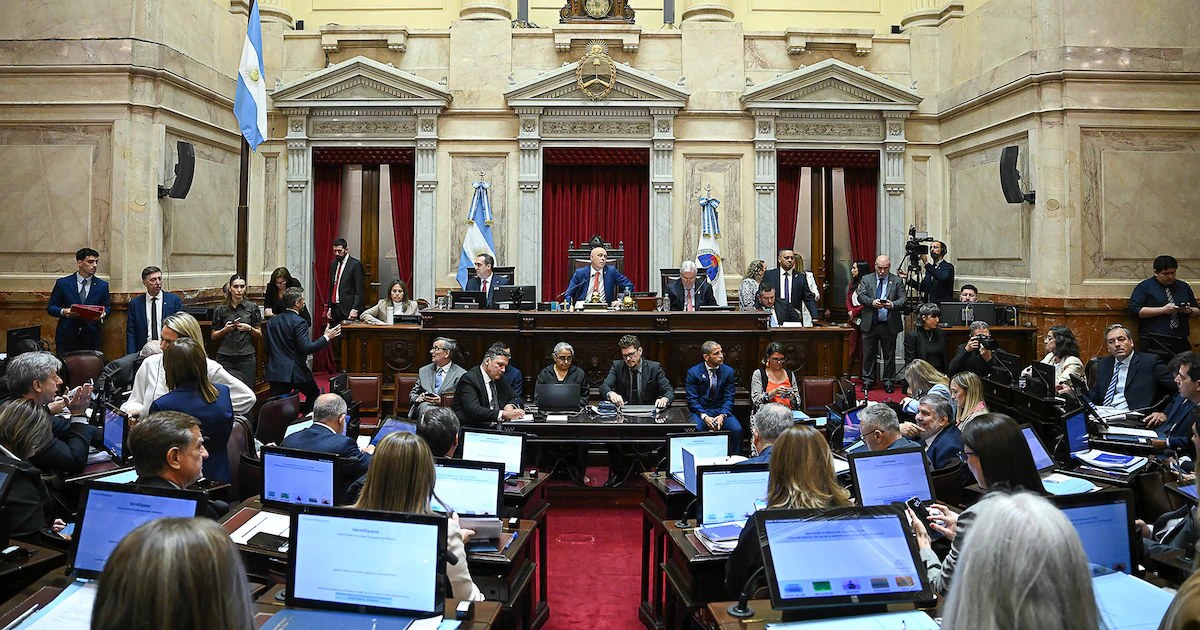
⚖️ Argentina's Senate gave final approval overnight into Friday to a law to prevent gambling addiction among children and teenagers, unanimously by 72 votes. The lower house had passed the text back in November 2024; without a vote by the end of November it would have lapsed. According to Infobae and Los Andes, the Catholic Church had added pressure beforehand. 📺 The law bans advertising, promotion and sponsorship of gambling and online betting on television, radio, social networks, sportswear, in stadiums, at festivals and through influencers and celebrities. Advertising stays allowed only inside licensed gaming halls and betting shops, with warnings. 🪪 Operators must verify users by facial recognition through a digital identity system linked to the national population register RENAPER. Welcome bonuses and loyalty schemes go, and credit cards are banned as a payment method. President Javier Milei's government has 120 days to put the law into effect; a complementary bill against illegal sites now goes to the lower house.
💳 **Money, bonuses, self-exclusion.** Players may only pay with debit cards and e-wallets, and only with money actually in the account; daily limits match those at cash machines. Credit cards and payment channels tied to social benefits from the agency ANSES are excluded. E-wallets must also apply the biometric check. Platforms must disclose the odds, show players how much time they have spent and display health warnings. The provinces' existing self-exclusion lists are merged into a national register (ReNA); besides gamblers themselves, relatives can request a ban, with a court stepping in if it is refused at first.
🚫 **Penalties and illegal operators.** Fines range from 500 to 1,000,000 UVA, an inflation-indexed unit of account, and rise by half when minors are affected. Running gambling without a licence will carry three to eight years in prison; defrauding minors by electronic means becomes a separate offence. Courts are to be able to alert the telecoms regulator ENACOM and the central bank within 48 hours to block illegal operators. Money from fines goes to prevention and treatment. Schools are to hold awareness days, teachers will be trained, and a free helpline will be set up.
🏛️ **A second law for the black market.** Right afterwards the Senate approved, with 71 votes, a complementary bill by Patricia Bullrich, leader of the libertarian bloc. It would let ENACOM take illegal sites down in less than 24 hours and without a prior court order. That text still has to pass the lower house. Radical senator Eduardo Vischi argued that illegal operators account for more than 80 per cent of the problem and that courts sometimes take one to two years to act on complaints.
🗣️ **Criticism despite a yes vote.** Senator Nadia Márquez, who voted against the bill as a deputy in 2024, now voted for it but still spoke of "serious technical and legal errors" and warned that provinces could opt out of the regime. She told parents not to rely on the law alone. Radical Flavio Fama admitted that all of them were to blame for not passing the bill sooner. According to Infobae, the Senate only took the issue seriously after Pope Leo XIV visited Argentina earlier this month; Bullrich proposed naming the law after him.