🕯️ Paul Daley mourns two friends: be kind and generous now
In brief
- 🕯️ Guardian Australia columnist Paul Daley lost two close friends within a few weeks.
- ⏳ He had planned a pre-Christmas catch-up with each of them that kept slipping.
- 🤝 His lesson: do it, say it, now. Be kind, be generous.
- 🌧️ Soon after, a trip to the Snowy Mountains with old colleagues felt to him like a celebration of life itself.
🕯️ The Australian journalist and author Paul Daley writes in the Guardian about the deaths of two close friends who died shortly after one another a few weeks ago. One was a celebrated writer and historian in his early eighties, the other a fit, warm man in his late sixties who looked after the business side of Daley's writing and became a friend. Neither death was expected. ⏳ What weighs most on Daley is regret: he had recently traded messages with both to find an hour together before Christmas. But the end of the year in Australia, when everything has to be wrapped up before the long summer break until late January, let the weeks slip away. Life gets in the way of friendship, he writes, and then death does. 🤝 His conclusion is deliberately simple: do it, say it, now. Be kind. Be generous. The essay is a personal text, not a self-help guide, and that is where its force lies.
📚 Two friends, two kinds of generosity. Daley describes the older friend as someone who always seemed young, full of wonder about the world and boundlessly generous to the many younger writers whose work he nurtured, Daley included. He was struck by the man's self-doubt and modesty despite his success. A year earlier the two had talked about death over lunch; the historian said he was not afraid of it but still had too much to do.
Daley met the younger friend by chance, when he picked him to run the administrative, as he puts it rather meagre money side of his writing life. The man took the stress away, and the work turned into friendship. Daley portrays him as a skier, golfer, former footy player and great raconteur who kept texting stories about growing up in rural Victoria, about politics, or generous praise for Daley's football team Collingwood, which both friends claimed to loathe. 🏉
💬 How you know a real friend. For Daley a real friend shows up in the bad times: they sense the pain, call, offer to listen. That is more than the quick “R U OK” text, a reference to the Australian campaign urging people to check on each other. And a real friend celebrates the small wins too, a good review, a new book. Both men bought several copies of his books at Christmas to give to their own friends.
✉️ The last messages. On the morning he wrote the piece, Daley reread their final messages. Four weeks earlier the historian had asked whether life was going well and the writing flowing. The other had reported that a borrowed early book of Daley's had finally come back to him after apparently doing the rounds of Melbourne for six years. It made Daley feel good that someone still cared about something he had written 16 years ago, and his friend knew it would.
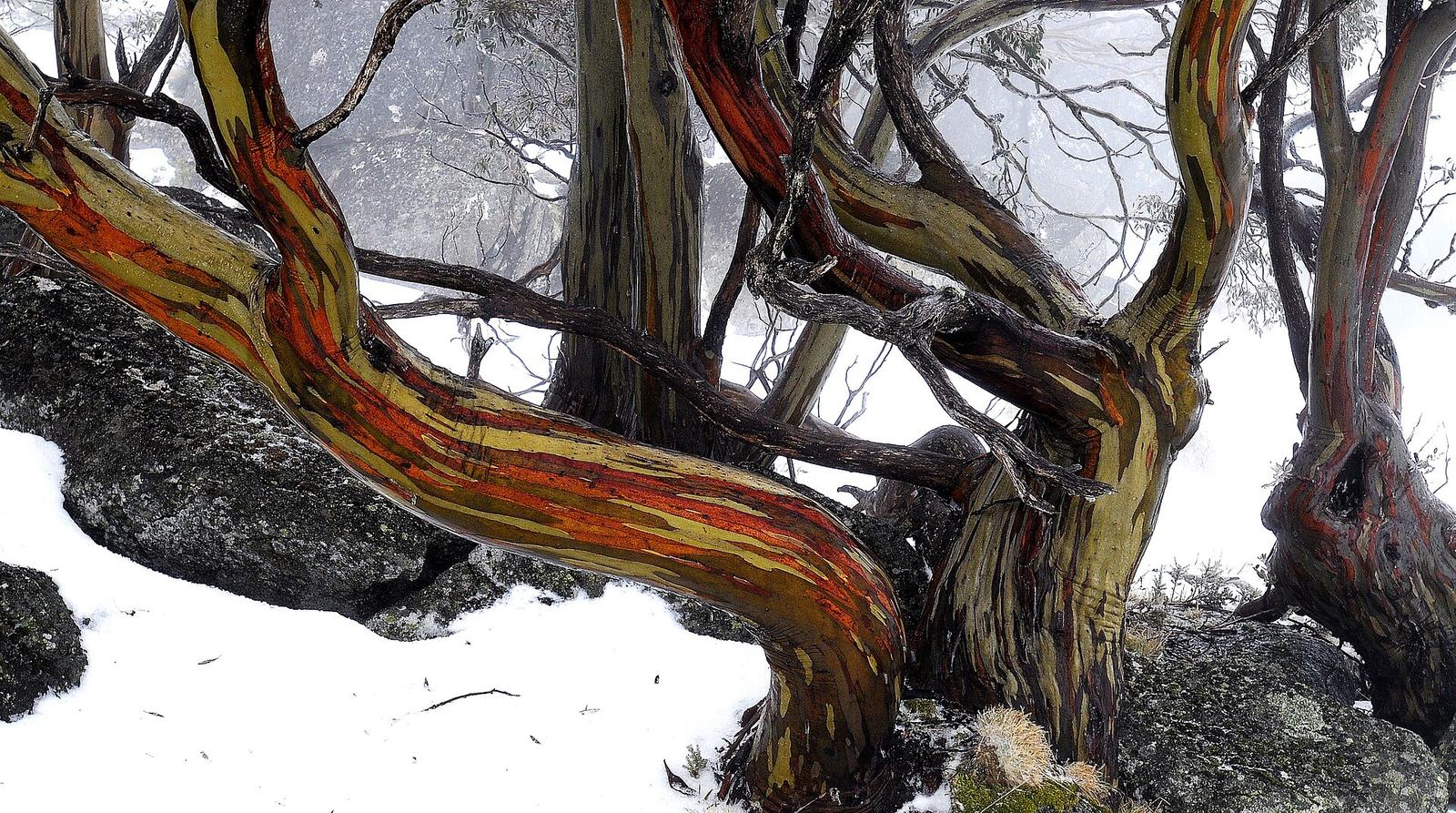
🏔️ The ritual in the mountains. By coincidence the two deaths came the week before a gathering Daley spends twice a year with a group of long-serving journalists in the Snowy Mountains of New South Wales: skiing in winter, bushwalking in spring, plus cooking, good wine and loud talk about politics, families and ailments. This time, he writes, the “pilgrimage”, as the group half-jokingly calls it, felt especially poignant. As cloud wrapped around them among the snow gums and the rain came in sideways and soaked everyone, the gathering seemed to him a celebration not only of valued friendship but of life itself. 🌧️