🚗 Plug-in hybrids: EU Commission pushes stricter CO2 accounting back to 2030
In brief
- 🚗 The EU Commission wants to apply the stricter utility factor for plug-in hybrids with at least 80 km of electric range only from 1 January 2030.
- 📅 The tougher factor was due to apply from Sunday, 29 November.
- ⚖️ A committee of member states must approve first; in part Parliament and states can scrutinise it.
- 🏭 Germany's car lobby VDA calls it an important signal; Transport & Environment warns emissions stay underestimated.
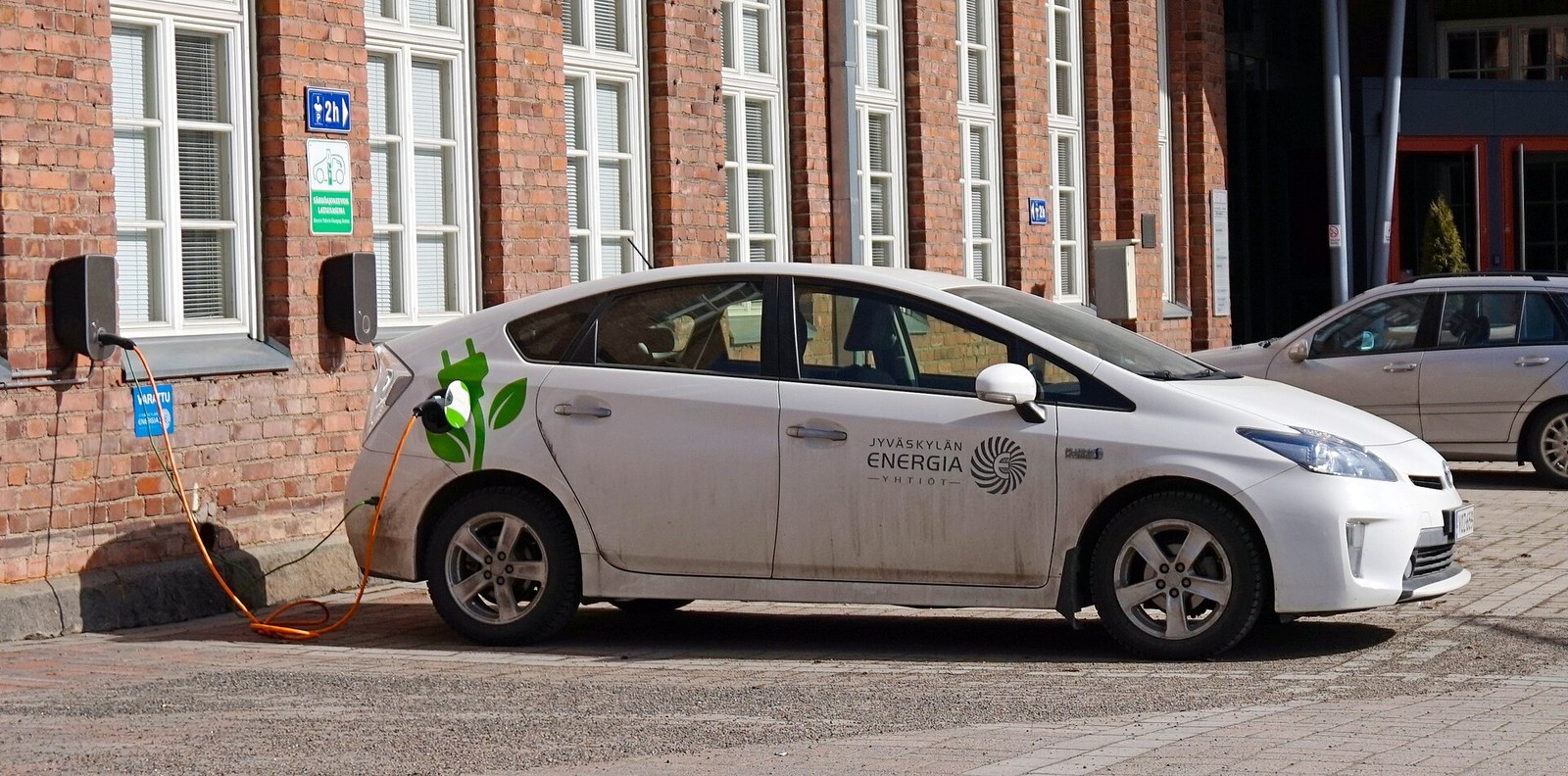
🚗 Just before stricter rules for calculating the CO2 emissions of plug-in hybrids were due to take effect, the EU Commission is hitting the brakes. According to a Commission press release reported by the German news agency dpa on 28 November 2026, the so-called utility factor for these cars is to be tightened only from 1 January 2030, for plug-in hybrids with an electric range of at least 80 kilometres. The new factor was originally due to apply from Sunday, 29 November. ⚙️ The utility factor sets what share of a plug-in hybrid's driving is assumed to be electric. The higher it is, the lower the official CO2 figure. Usage data show, however, that many of these cars are charged less often and run on their combustion engine more than assumed. With the stricter factor, plug-in hybrids would offset combustion cars less in a maker's fleet average, so carmakers would have to sell more electric cars, for example, to reach their 2030 CO2 target. The Commission says the delay is meant partly to reward longer electric ranges. ⚖️ A technical committee of member states must approve before the legal acts follow. Germany and other states, as well as the German car industry association VDA, had pushed for the delay; the clean-transport group Transport & Environment opposes it.
🏭 Industry wants more. VDA president Hildegard Müller called the proposal an important signal, also for suppliers in Germany, and urged that it be made legally binding quickly. The association is not fully satisfied, though: Müller criticised that the suspension runs only until the end of 2029 and that the factor is to be updated regularly from 2030, which she said does not give the industry enough certainty for planning. Earlier she had warned that the tightening would put around 50,000 jobs at risk in Germany alone.
🌍 The other side. Transport & Environment (T&E), a Brussels-based clean-transport group, had shortly before urged the German government to stick with the correction. In an analysis based on the fuel consumption meters that new cars have carried on board for several years (OBFCM), T&E concludes that plug-in hybrids registered in 2023 emit almost five times as much CO2 in everyday use as their official figures say. According to T&E, the old utility factor assumed 84 per cent electric driving on average; the meter data show only 27 per cent.
💶 What it means for drivers. The gap between brochure and reality is not only a climate question. Plug-in hybrid drivers buy more fuel than the official consumption suggests. T&E puts the extra cost of fuel and electricity at over 500 euros a year for an average vehicle. Even in electric mode, the analysis says, the combustion engine often kicks in because the electric motors are not powerful enough.
📏 Why the 80-kilometre line. With the threshold, the Commission rewards models with bigger batteries, while designs with short range fall under the stricter accounting. It wants to encourage cars with longer electric range. T&E disagrees: in its analysis, models with longer range also emit far more in everyday use than officially stated, and even with the planned correction real-world figures would still be about 18 per cent above the official ones.
📅 What happens next. The correction was planned in two steps: according to T&E, the first applied from 2025 for newly registered cars and from 2026 for existing models, and the second was due now. It is this second step that is to be paused until 2030 for vehicles with at least 80 kilometres of range. The member states' committee has to agree, then the Commission adopts the legal acts; in part the European Parliament and the Council have a right of scrutiny. The dispute is part of the wider fight over the EU's fleet CO2 targets, in which Germany and other countries want more room for combustion cars and hybrids after 2035.