📵 Harvard study: strict school phone bans bring small learning gains
In brief
- 📊 A Harvard study released November 17 analysed test data from about 3.3 million US students at 4,600 schools.
- 🔒 Strict bans using lockable pouches added about 0.01 standard deviations of yearly learning growth, roughly one to two weeks of instruction.
- ⚠️ An earlier national study found close to no effect; experts urge caution.
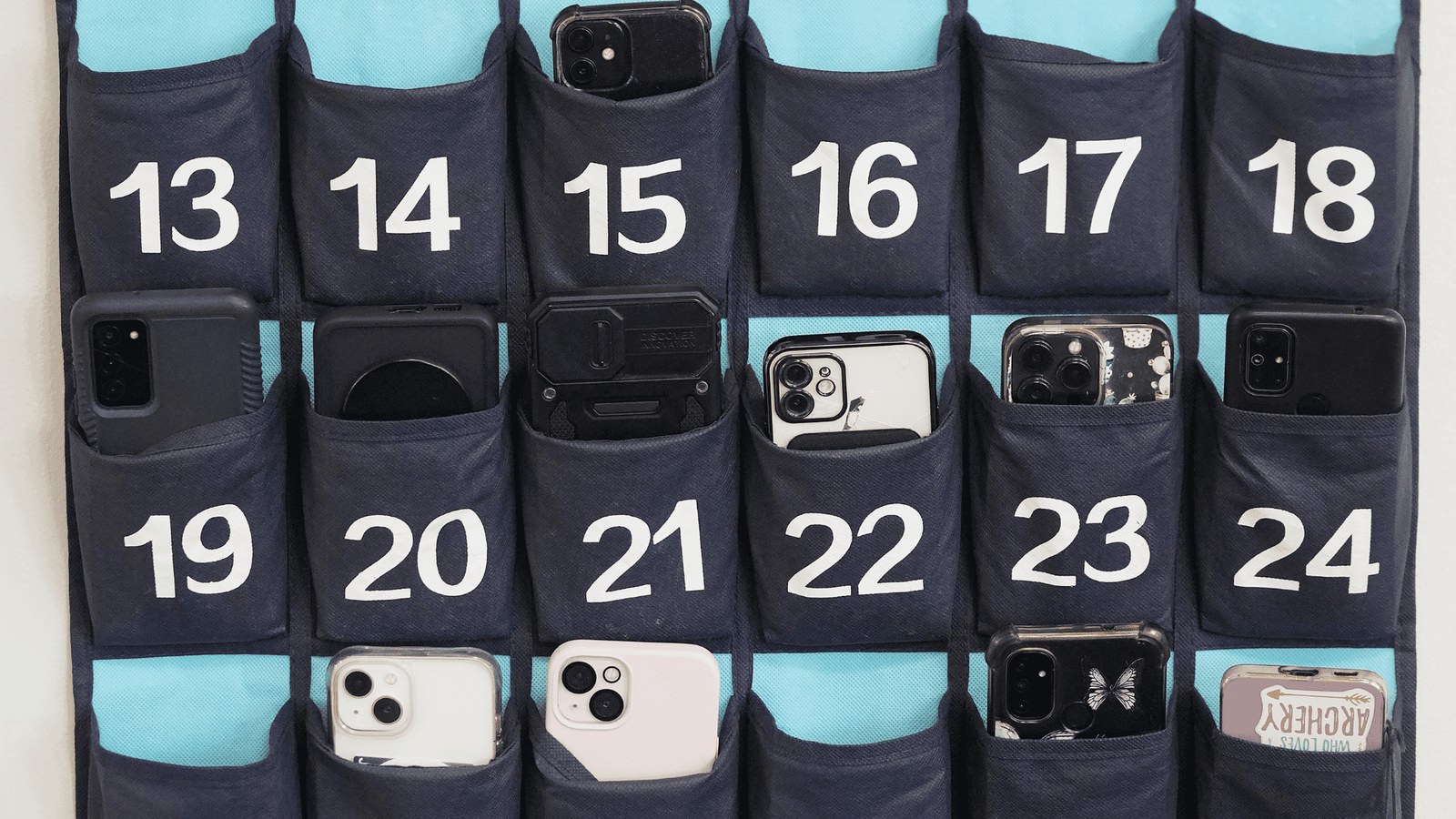
🎓 Strict school phone bans appear to improve test scores slightly. That is the finding of a study released on November 17, 2026 by the Center for Education Policy Research at the Harvard Graduate School of Education, with researchers from testing company NWEA and Dartmouth College. It used anonymised test data from about 3.3 million students at 4,600 US schools across the 2021-22 to 2025-26 school years and focused on schools that adopted lockable Yondr pouches from 2022. After a ban, yearly learning growth in reading and maths rose by about 0.01 standard deviations, roughly one to two extra weeks of instruction a year. Co-author Thomas Kane calls it "not a panacea" but cheap: the pouches cost about $25 to $30 per student. An earlier national study found little effect; its co-author Tom Dee calls the new estimates small and sensitive.
📉 The study is the first paper from the States Leading States Initiative at Harvard's Center for Education Policy Research (CEPR). Its starting point: US student achievement has been falling since about 2013, by roughly two-hundredths of a standard deviation a year according to Harvard. Similar trends exist in many Western European countries and in Canada, especially in reading. Because researchers could not follow the arrival of smartphones in classrooms, they used the introduction of bans as a "natural experiment run in reverse".
🗂️ The data are anonymised student test scores from the testing company NWEA, maker of the widely used MAP Growth assessment, covering about 3.3 million students at 4,600 schools between 2021-22 and 2025-26. The study looks at schools that bought Yondr pouches starting in 2022, magnetically locked bags in which phones stay sealed all school day. It compares learning growth before and after the ban and uses up to four years of fall and spring data after bans began. The pouches cost about $25 to $30 per student, according to Chalkbeat. The study was funded by the Overdeck Family Foundation and the Walton Family Foundation.
🧪 The result: about 0.01 standard deviations more learning growth a year in reading and maths. Kane says that is small by usual standards, for example compared with tutoring programmes, but it is about half the size of the annual losses since 2013, and small gains could accumulate over the years. "A strict cell phone ban is a low-cost way to add one to two weeks of instruction per year," he said. For students who start at the bottom the team found no much larger effect. But bans stop big reading losses over the year for a subset of students, perhaps more distractible children. According to Digital Trends, the gains appeared to persist over multiple years.
💬 How to read it is disputed. The only previous large national study, co-authored by Stanford's Tom Dee, found "close to zero" effect on test scores and also more suspensions. Dee called the new findings "sobering" and "really small, sensitive estimates that fall short of the ambitions many of us had". He said he would be uncomfortable projecting cumulative gains from point estimates that are small, sensitive and sometimes statistically insignificant. Other limits: according to Digital Trends students reportedly bypass bans with spare or fake phones, school laptops still allow access to social media, and phone use at home, especially late at night, is outside the bans. Kane suspects that the sharp score drop among low-scoring students may relate more to out-of-school social media use; data for that study do not exist yet.
🏛️ Politically the topic is live: Chalkbeat says three-quarters of US states have a law or policy restricting student phone use at school; Pennsylvania became the most recent state in October to adopt a "bell-to-bell" ban.